Discovering Finger Lakes
Despite writing about wine for more than fifteen years, I’ve never had the opportunity to visit New York’s Finger Lakes wine region. That’s something I hope to change one day. Until then, tasting wines from Dr. Konstantin Frank Winery—widely regarded as one of the region’s pioneering estates—seemed like the next best thing.
The Finger Lakes owes much of its viticultural success to geography. Carved by glaciers thousands of years ago, the region’s long, narrow lakes—particularly Seneca and Cayuga—act as giant heat reservoirs. They moderate winter temperatures, delay damaging spring frosts, and extend the growing season, creating one of the few places in the northeastern United States where classic cool-climate Vitis vinifera varieties can consistently thrive.
Today, the Finger Lakes has earned an international reputation for Riesling, while varieties such as Chardonnay, Cabernet Franc, Grüner Veltliner, and traditional-method sparkling wines continue to demonstrate the region’s remarkable versatility.
The Vision That Changed New York Wine
Although New York had been producing wine for well over a century before Dr. Konstantin Frank arrived, most vineyards were planted to native American grapes such as Concord and Niagara or French-American hybrids. Conventional wisdom held that European Vitis vinifera simply couldn’t survive the region’s cold winters.
Dr. Konstantin Frank believed otherwise.
A Ukrainian-born viticulturist with a doctorate in grape growing, Frank understood that the challenge wasn’t the climate itself, but rather matching the right Vitis vinifera varieties with suitable vineyard sites and rootstocks. Beginning in the late 1950s, he successfully established Riesling, Chardonnay, Pinot Noir, and other classic European varieties overlooking Keuka Lake—proving generations of conventional wisdom wrong.
It’s difficult to overstate the significance of that achievement. By demonstrating that Vitis vinifera could flourish in the Finger Lakes, Dr. Frank transformed not only his own winery but the trajectory of the entire region. Today, many of New York’s finest wineries owe part of their success to the path he helped forge.
Innovation has remained part of the winery’s DNA. Nearly five decades later, third-generation vintner Fred Frank introduced Grüner Veltliner to the estate’s Seneca Lake vineyards after studying viticulture in Germany. Today, Dr. Konstantin Frank Winery is home to one of the largest Grüner Veltliner plantings on the East Coast, reflecting the family’s continued willingness to explore varieties well suited to the Finger Lakes’ cool climate.
Disclosure: Media samples were provided for review. No compensation was received, and all opinions expressed are my own.
Four Wines That Tell the Story
I selected received four bottles that genuinely piqued my curiosity: the Dry Rosé, their classic Grüner Veltliner, their latest release, the Grüner Veltliner Reserve Erste, and tradition method sparkloing Blanc de Blancs. Together, they offered an opportunity to explore not only the breadth of Dr. Konstantin Frank Winery’s portfolio, but also the continuing evolution of the Finger Lakes—from classic cool-climate whites to traditional-method sparkling wine. What follows are my impressions of each.
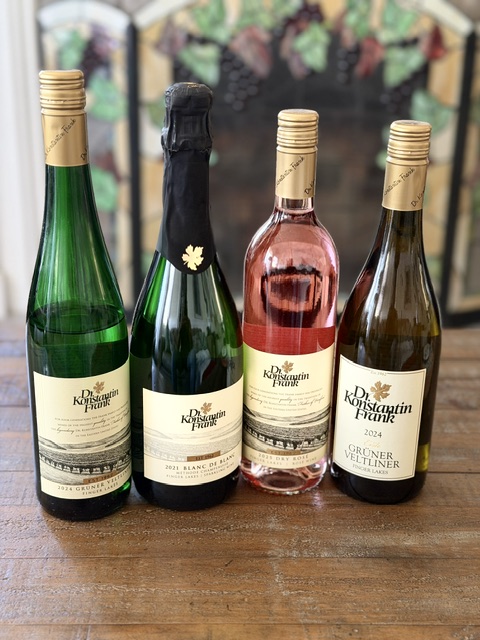
2021 Dr. Konstantin Frank Blanc de Blancs
Pale straw color with green apple and Envy apple skin, lemon curd, toasted pastry and a hint of ginger aromas. On the palate, it’s medium-bodied and very fresh with a moderately creamy mousse. It shows green apple, miixed citrus zest (lemon and lime) and ginger flavors. Medium+ finish. 100% Aged on lees a minimum of 36 months.Chardonnay.12% abv.| SRP -$44.99 (90 pts.)
This wine was excellent paired with Roasted Salmon and Salad with Ginger, Miso and Honey dressing
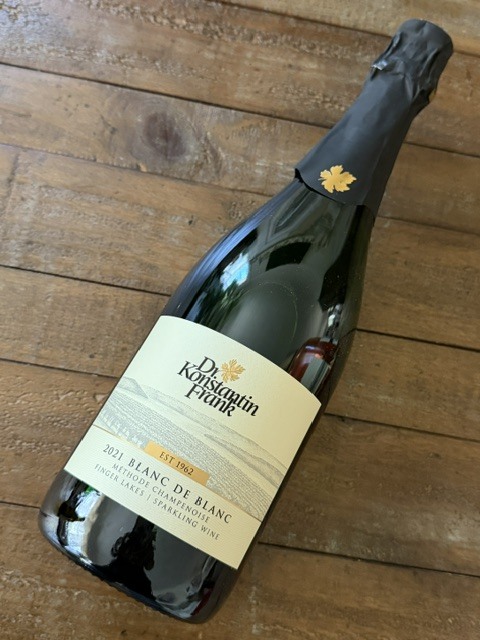
2025 Dr. Konstantin Frank Dry Rosé
Medium salmon pink color strawberry hard candy, red cherry, raspberry, grapefruit zest and dried herb aromas. On the palate, it’s medium-bodied with zesty mouth-watering acidity and sour cherry, strawberry, raspberry, pink grapefruit flavors with a hint of watermelon flavors. Medium finish. Made from NY Certified Sustainable Grapes. 12.5% abv| SRP – $17.99| (89 pts.) So food friendly! Definitely a high QPR wine…and easily my favorite under $20 Rosé this summer
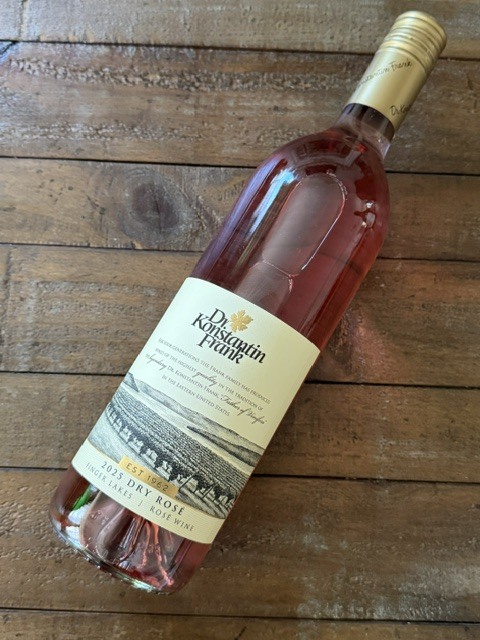
2024 Dr. Konstantin Frank Grüner Veltliner
Pale straw with green reflection and lime, tropical fruit(guava and a hint of lychee), white pepper and green apple aromas. On the palate it’s medium bodied with racy acidity and Key lime, guava, green apple flavors. Medium finish. 12% abv| SRP – $21.99 (89 pts.) A fresh, vibrant, very food friendly and classic expression of the grape!
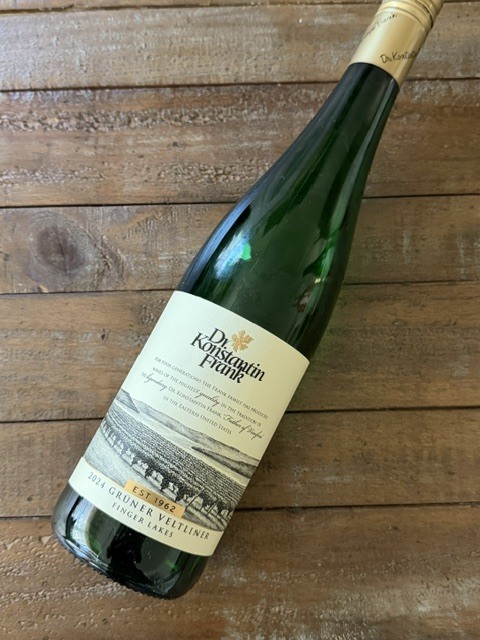
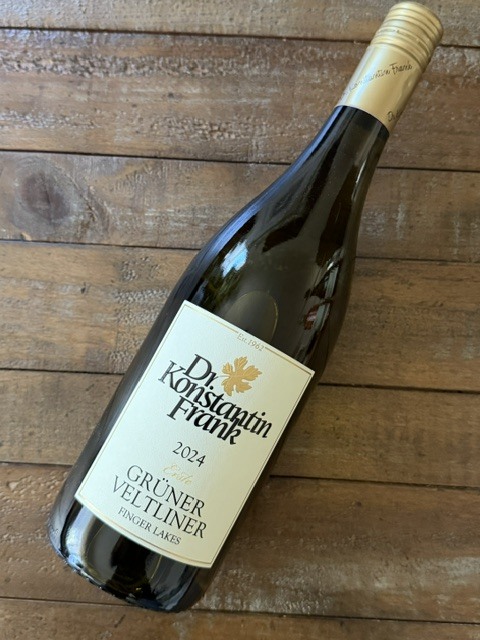
2024 Dr. Konstantin Frank Grüner Veltliner Erste
Pale straw/lemon color with yellow apple, lemon zest, passion fruit, green mango, with hints of white pepper and flint. On the palate, it’s medium-bodied and dry with zesty mouthwatering acidity with mixed lemon and lime zest, yellow apple, passion fruit and green mango flavorsL Long finish. Fermented and aged for nine months in a mix of roughly 70% neutral oak and 30% stainless steel, with regular lees stirring to build texture and complexity. Long finish. 13.5% abv| SRP – $39.99 (91pts)
Erste (pronounced AIR-stuh) means “first” in German, and this wine truly lives up to its name. When Frederick Frank purchased land on the east side of Seneca Lake, one of the warmest vineyard sites in the Finger Lakes, he took a bold risk. The very first grape variety planted in that vineyard was Grüner Veltliner, a grape he felt deeply passionate about, even when few others in the region were growing it” according to the winery. Fruit for this wine is sourced from a lower-yielding block for added concentration explains the winery. Excellent paired with Cold Roasted Salmon & Cannellini Bean Salad with a Lemon Dijon Vinaigrette.
Final Thoughts
Although these four wines offered distinctly different expressions, they shared a common thread: freshness, balance, and a sense of place that speaks to the Finger Lakes’ cool-climate character.
More importantly, they reminded me why Dr. Konstantin Frank Winery occupies such an important place in American wine history. Long before the Finger Lakes became synonymous with world-class Riesling and other Vitis vinifera wines, Dr. Frank challenged the accepted wisdom of his day and proved that the region could produce wines of genuine distinction. Four generations later, that pioneering spirit continues—not only through the winery’s classic bottlings, but also through newer explorations like Grüner Veltliner and its elegant traditional-method sparkling wines.
I still hope to visit the Finger Lakes someday. Until then, these wines have provided a compelling introduction to one of America’s most distinctive—and historically significant—wine regions.
Enjoyed reading this article Martin. Finger Lakes has only been at the edge of my wine region consciousness but you have whetted my appetite for a visit. We have some Gruner Veltliner in NZ but so far I don’t think we have quite reached the heights of the sublime examples I tasted in the Wachau
We run parallel regarding years of writing about wines yet not having visited the Finger Lakes. Possibly a coincidence Dr. Frank’s wines were near the top of my ‘taste while in the US’ list, and you’re writing about them here. Today, the Blanc de Blancs and your roasted salmon and salad (the dressing!) capture my attention!
Gruner!!! Nice! Always solid wines.
We have wanted to explore the Finger Lakes region for a while and your post definitely supports our need to get there asap!